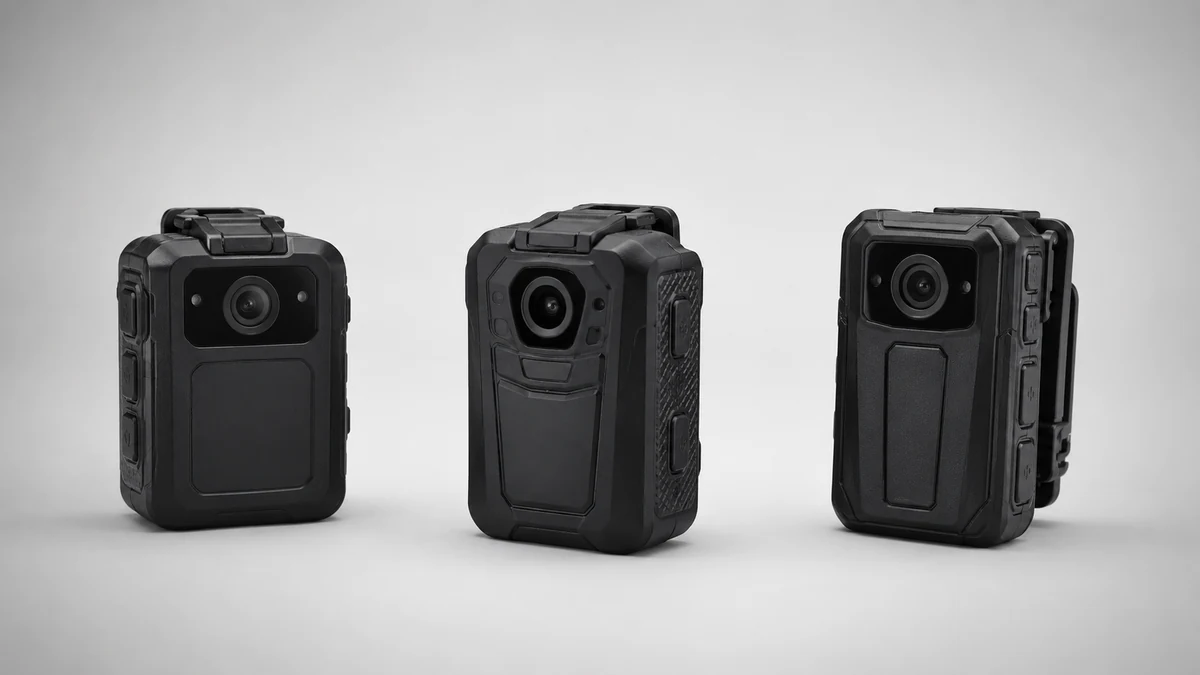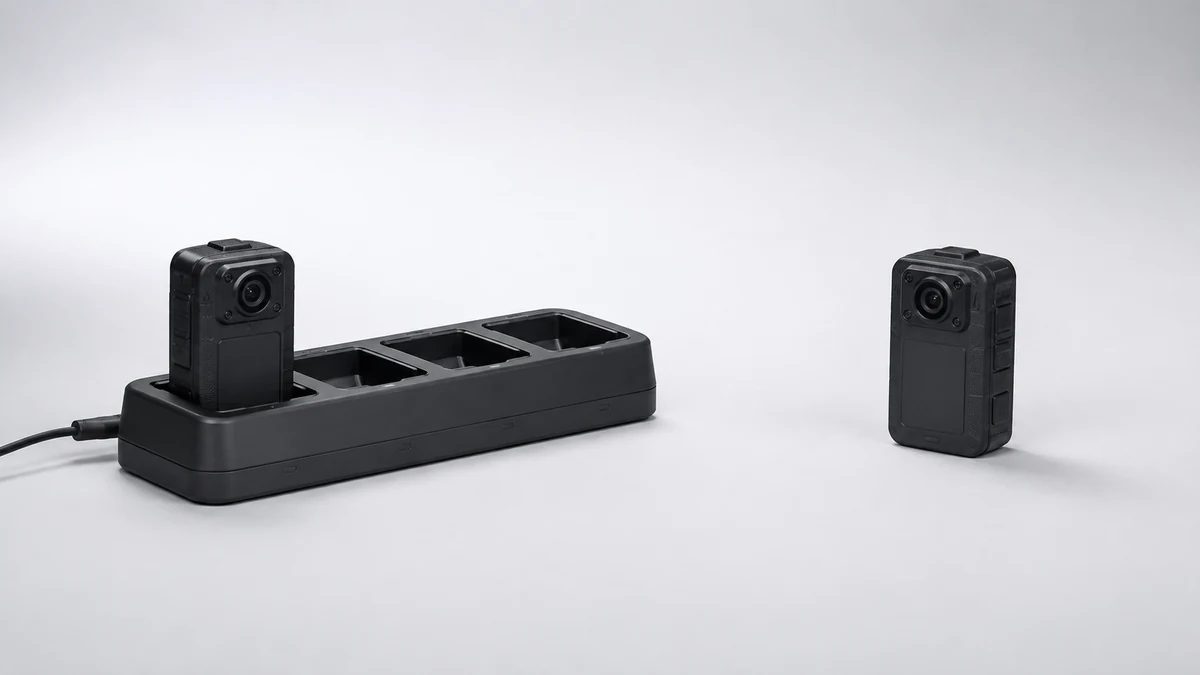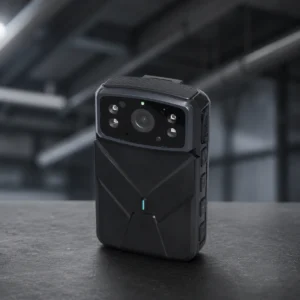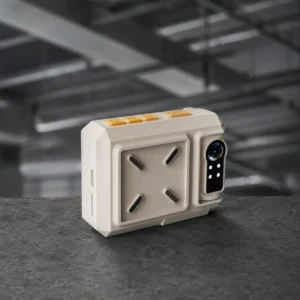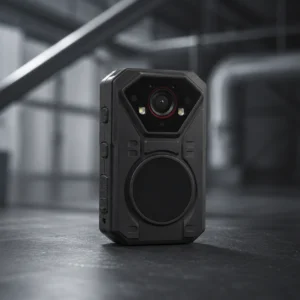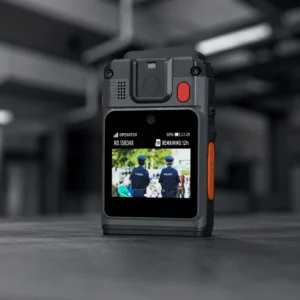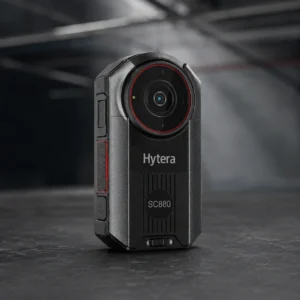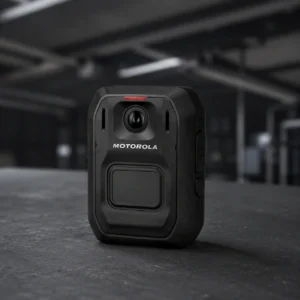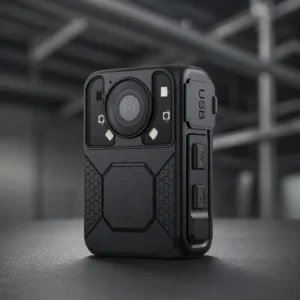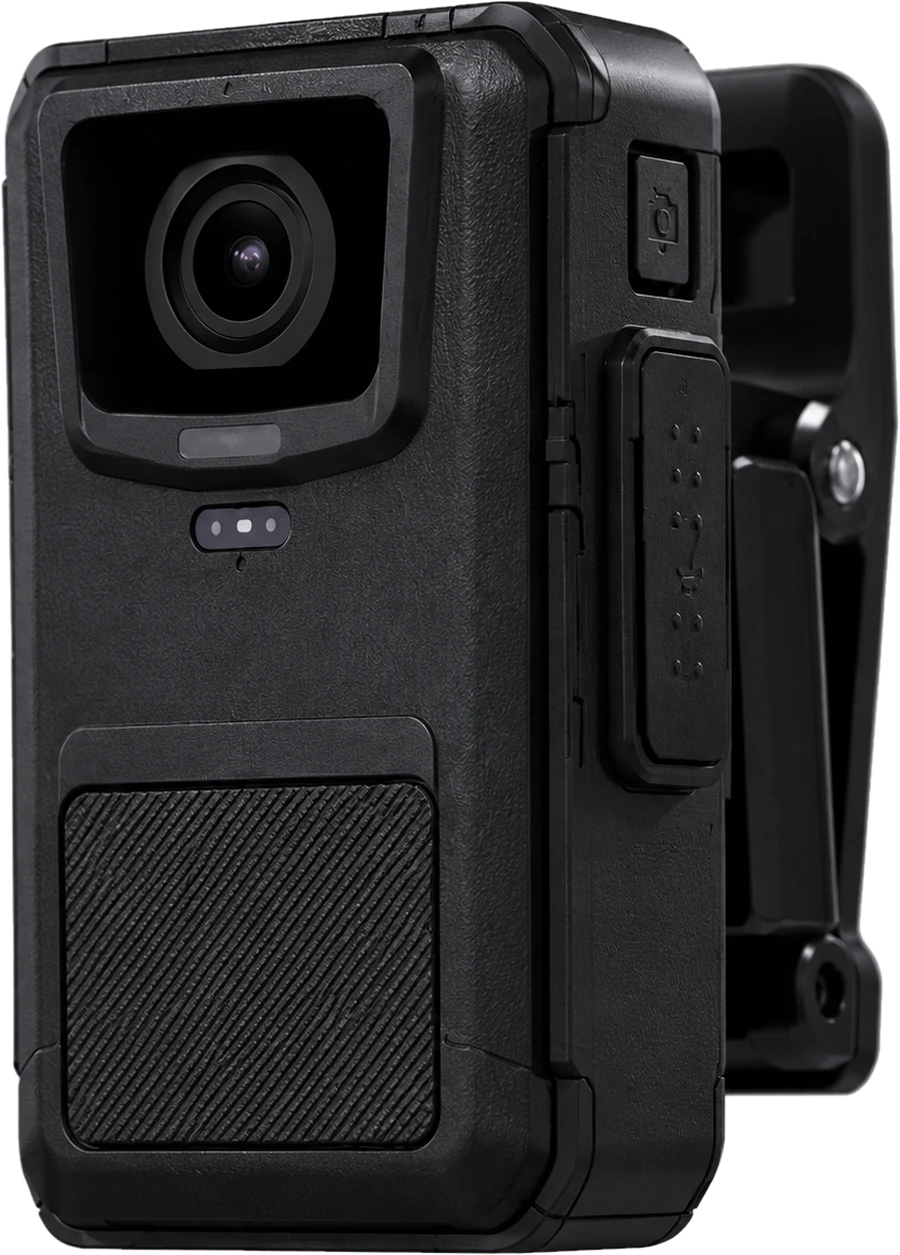
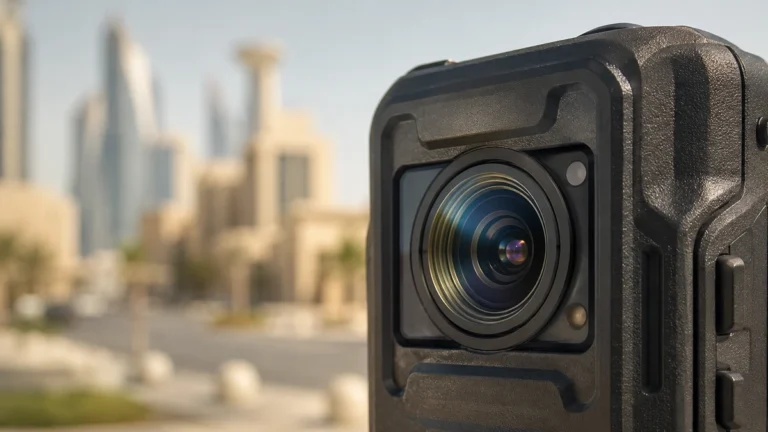
One body-worn camera supplier for the whole chain: rugged 4G and 5G body cameras, docking stations that offload a shift on their own, live streaming to a control room, and evidence software that keeps a full audit trail.
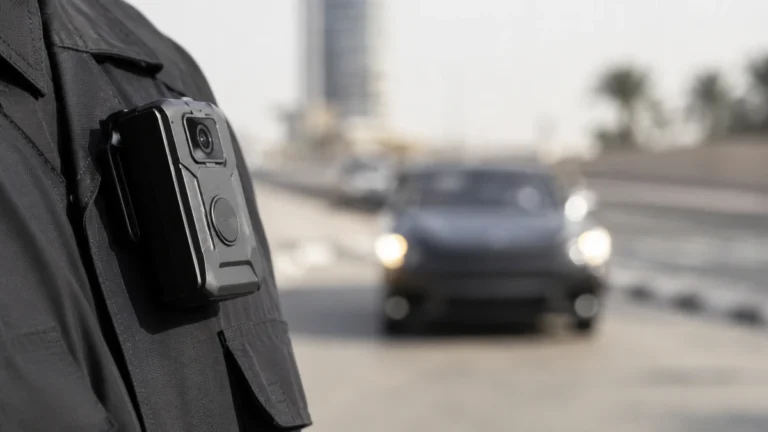
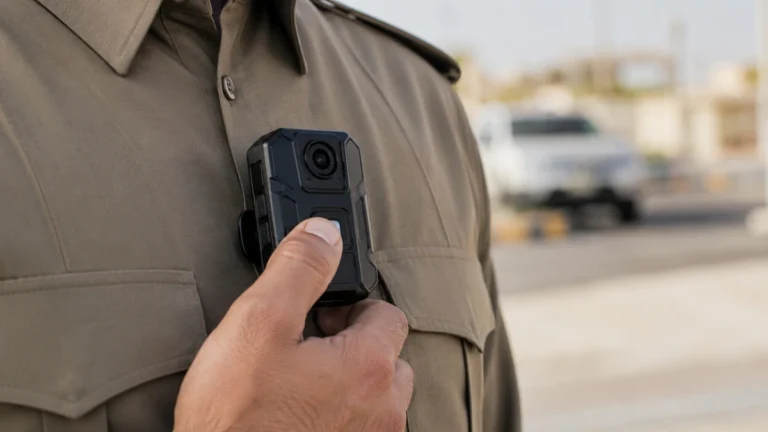
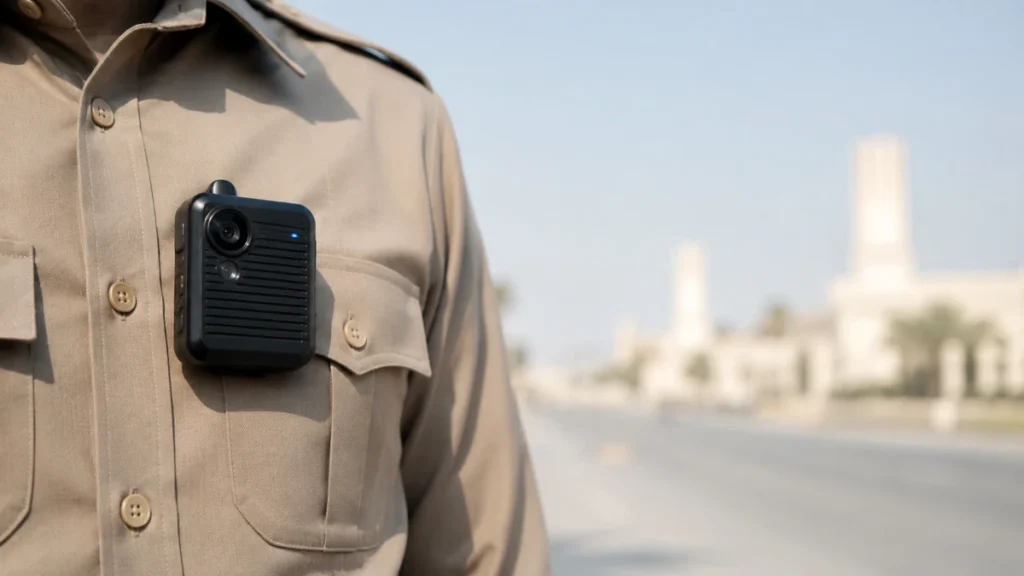
A body camera is a small recorder worn on the chest, shoulder or helmet. It records video, sound and the time from the wearer’s point of view for a full shift, and nothing on the camera can edit or delete what it captured. That leaves you with a first-hand account of the incident instead of a write-up done hours later.
A plain guide to how body camera technology works and what it is for.
Three stages, from the moment a camera starts recording to the moment the footage is used.
Step 1 of 3 Swipe for the next step
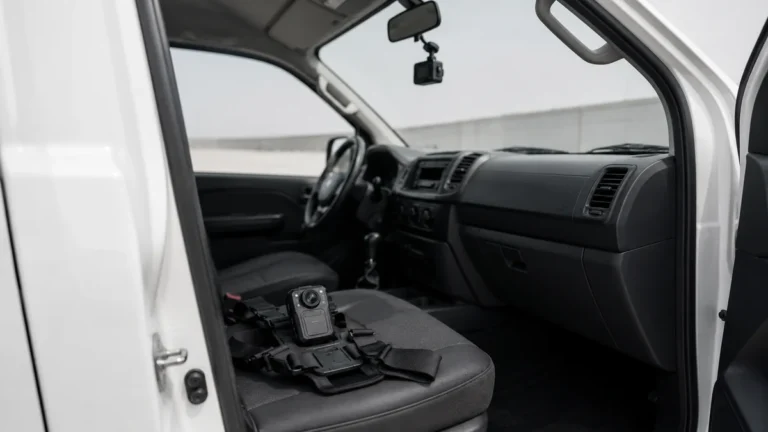
A camera on the officer, on a helmet or in the vehicle records the whole shift.
Offline and Wi-Fi models hold the footage until the camera is docked. 4G and 5G models can send video live.
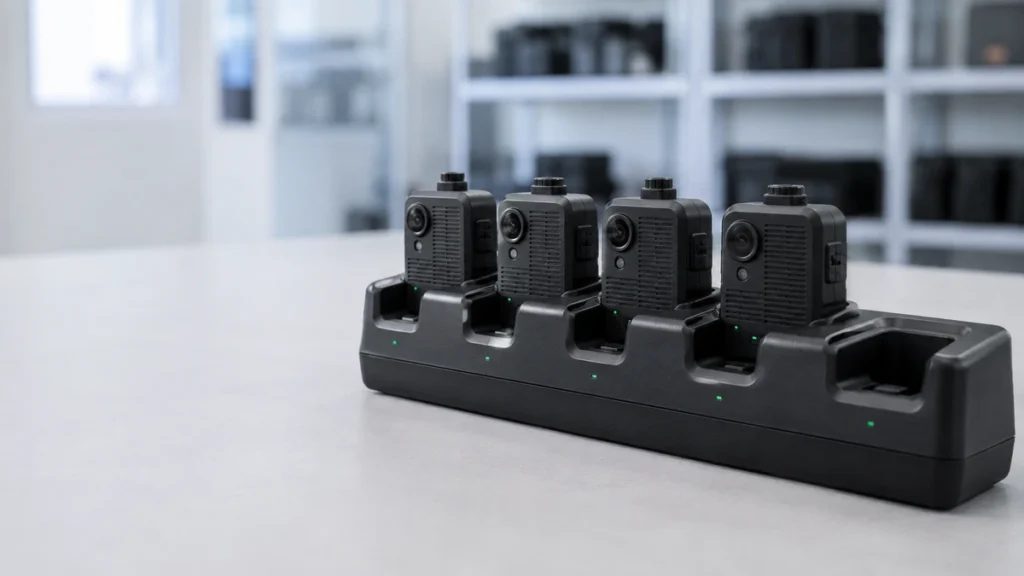
At the end of a shift the camera goes into a dock and the footage moves across on its own. It lands on a server you own, in your own country.
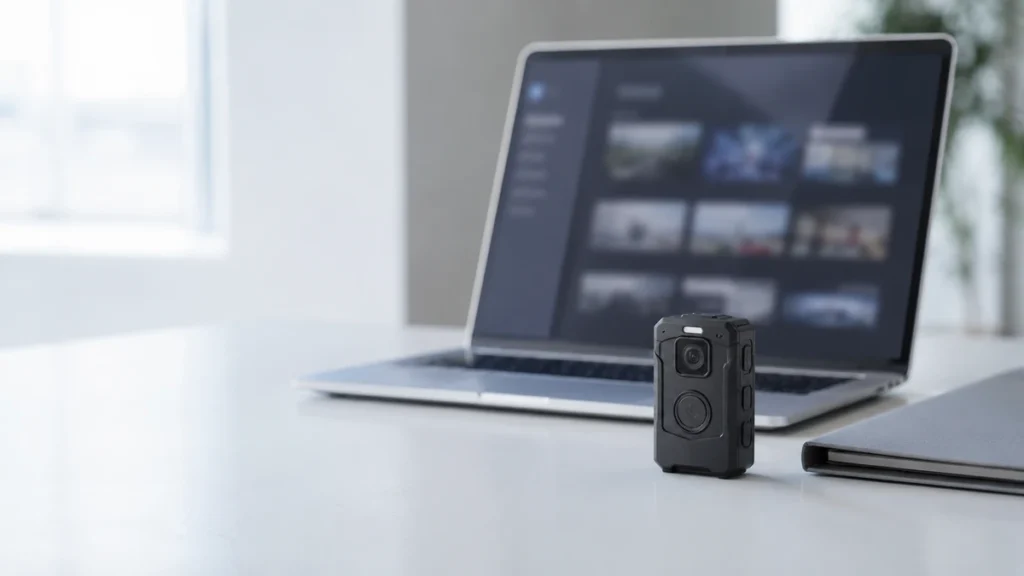
DEM is short for digital evidence management. It is the software the footage lands in, where clips become something you can find, share and account for. Old footage is deleted automatically on the schedule you set.
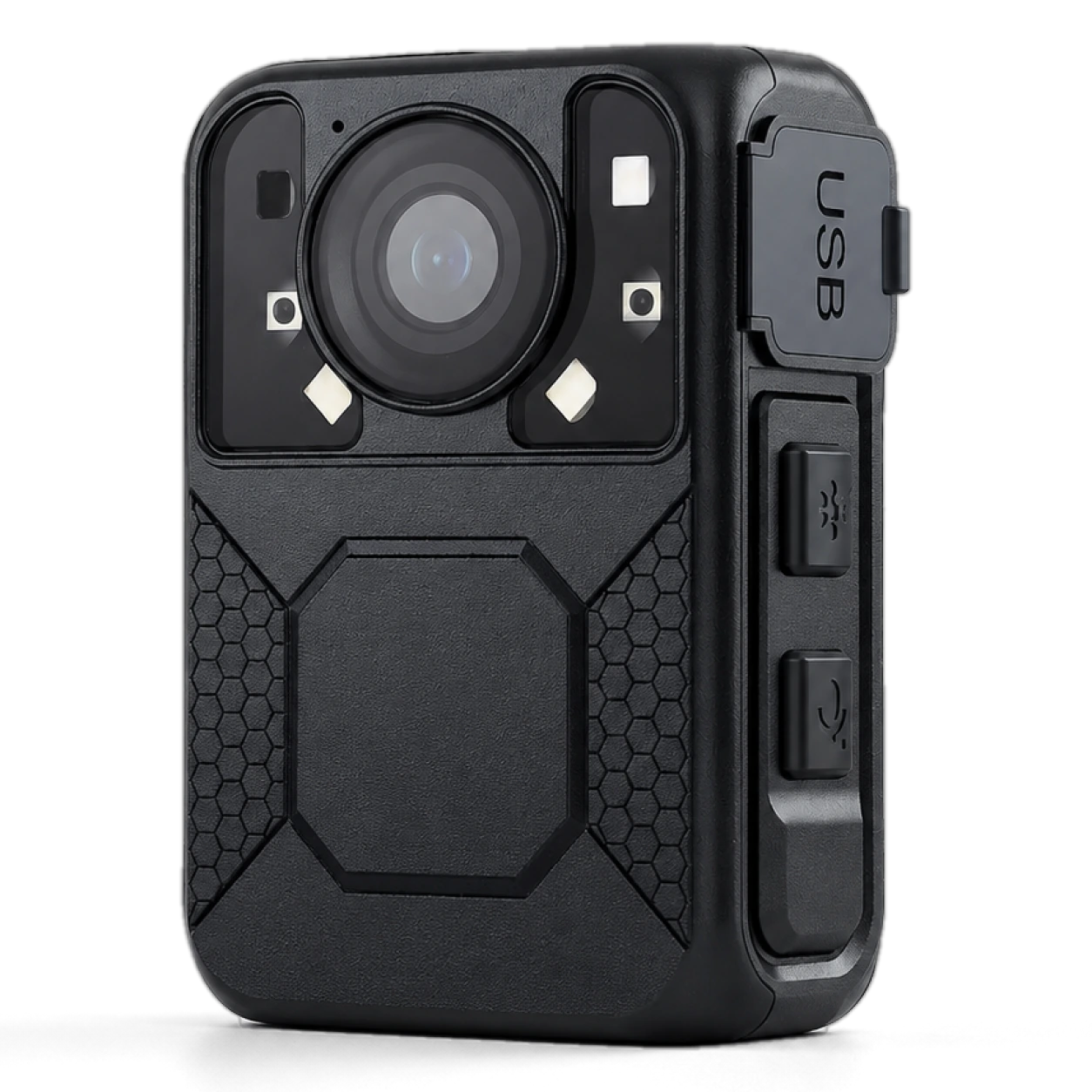
Every body camera we supply is sealed against dust and water and drop-tested. Tell us the deployment and we will specify the right one.

Records up to 4K, so a face or a plate is still readable when a still is pulled weeks later.
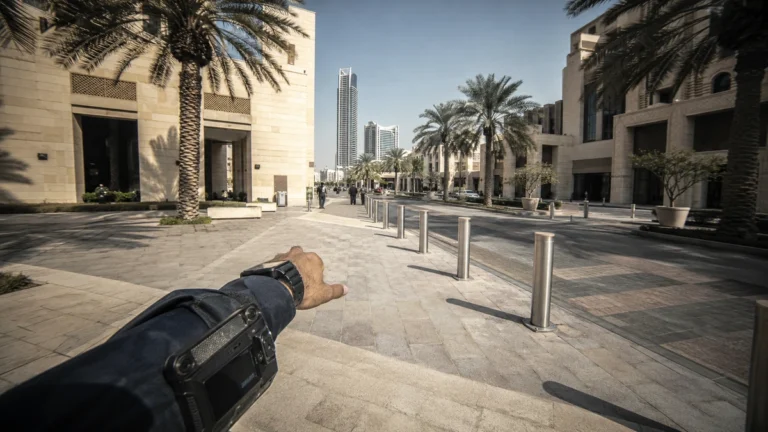
A wide lens keeps the officer's hands and the person in front of them in the same frame.
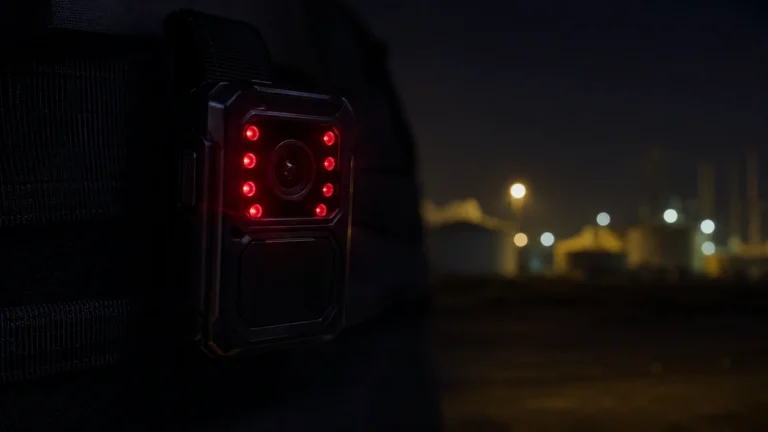
Sees in the dark. Some models light the scene, others hold detail without giving the wearer away.

Optional on some models. Runs on the camera itself, so a match shows at the point of contact.
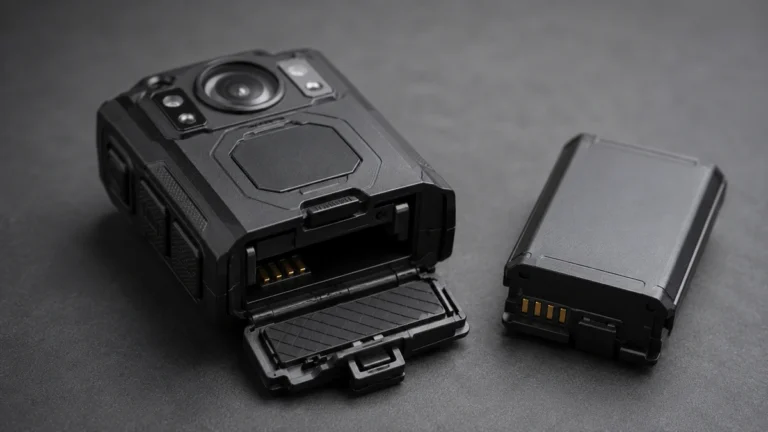
A second battery covers a long shift, and on some models recording continues while it is changed.

Saves the moments before the button was pressed. That is usually the part nobody catches on purpose.
The same equipment, set up differently for each sector’s conditions and rules.
Patrol, traffic and public order, where the recording has to stand up as evidence.
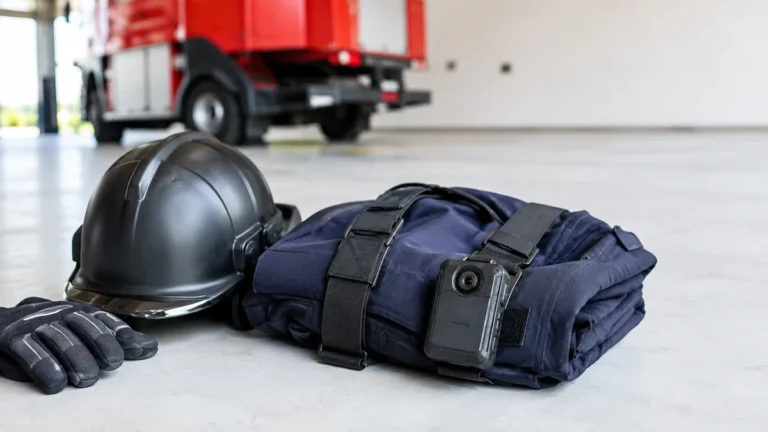
Civil defence and ambulance crews work in heat, smoke and confined spaces.
Inspectors record the visit, the violation and the dispute that follows.
School buses, taxis and fleets, plus customs inspection at ports and terminals.
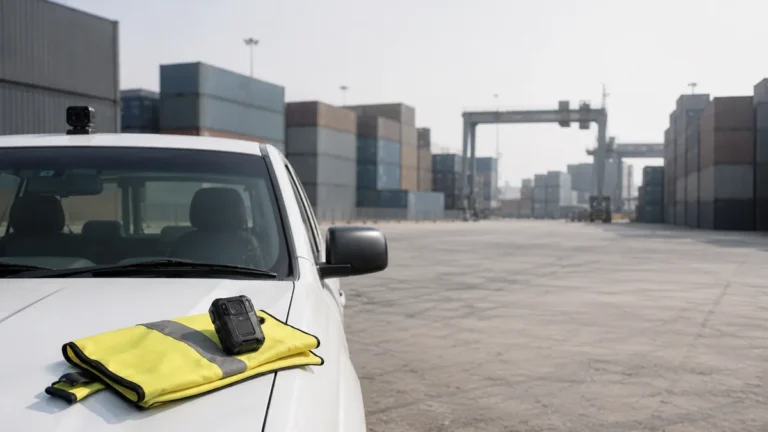
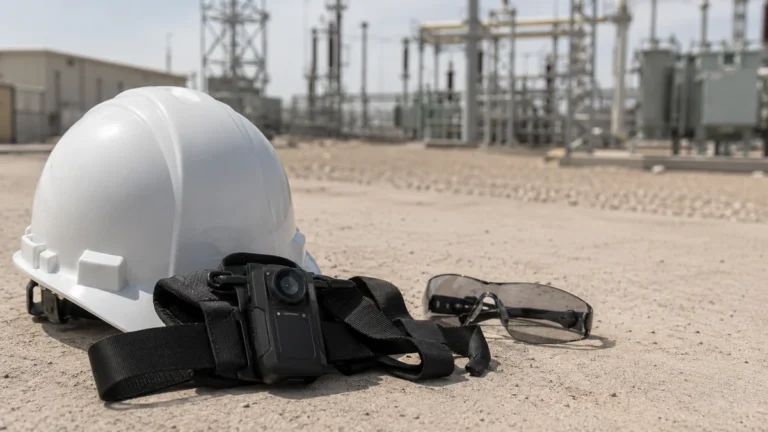
Energy, water, construction and industrial sites. Who went into a restricted zone, and when.
Licensed guarding on malls, compounds and events. Clients ask for an evidence record.
The questions that come up most often before a specification is agreed.
Three things in practice: tell people the camera is running, keep it out of private settings such as homes and washrooms, and control who can open the footage afterwards. The cameras and the evidence platform are specified so that all three can be shown on the record. Where your country publishes a specific rule, we specify against it.
The camera encrypts the file on the device and watermarks it with the device and the time as it records. The evidence platform then logs every view, export and deletion against a named user, so the full history of a file can be produced on request.
No. Offline units record to encrypted internal storage and transfer everything when they are docked, with no connectivity required at any point.
On a private server you control, deployed on-premise or hosted in-country. The system is built so that evidence does not leave the jurisdiction that collected it, and there is no dependency on a third-party public cloud.
Retention is set by your policy rather than by the device. Digital Evidence Management enforces the schedule you configure, so different categories of evidence can be held for different periods and disposed of automatically at expiry.
We do not publish prices, and the reason is not coyness. Send us the shift pattern or the vehicle list and the retention obligation and we will work a real figure back from them.
Guides for anyone specifying or buying body cameras.
What the law says about recording, who may operate a camera, and how footage must be handled.
Battery life, storage, connectivity and mounting: the decisions that matter before a tender is written.
Whether footage comes off at the dock or streams live changes the camera and the network you need.
We walk through the whole chain, from the camera to the evidence software. Tell us your sector and how many officers, and we will set the demonstration up around that.
Complete body-worn camera systems for government and enterprise operators across the UAE and GCC.
© 2026 BodyCamera.ae
Two ways to deploy. Browse below.


Tell us where the cameras will be deployed and we will arrange a demonstration with the right models for your sector.